


-

Add: HeBei ShengShi HongBang Cellulose Technology CO.,LTD.
-

Email
13180486930@163.com -

CONTACT US
+86 13180486930




Hydroxypropyl methylcellulose (HPMC) is gaining attention in the haircare industry for its multifaceted benefits and versatile applications. As a non-ionic, water-soluble cellulose derivative, HPMC is known for its ability to form films and retain moisture, making it an ideal ingredient for various haircare formulations. From its excellent conditioning properties to its role in enhancing product texture and performance, HPMC is rapidly emerging as a must-have component in modern haircare solutions. Understanding the composition of HPMC is key to appreciating its benefits in haircare. HPMC is derived from natural cellulose sources like wood pulp and cotton, making it a sustainable option for eco-conscious consumers. The modification process enhances its solubility and stability, allowing it to perform effectively in a wide range of pH levels. This chemical resilience ensures that HPMC maintains its functionality, providing consistent results with every use. One of the primary benefits of incorporating HPMC into haircare products is its superior moisture retention capability. This attribute is crucial for maintaining hair hydration, preventing dryness, and enhancing overall hair manageability. HPMC's ability to form a thin, flexible film on the hair shaft helps to lock in moisture, keeping hair soft and smooth. For individuals with dry or damaged hair, products containing HPMC can be transformative, turning brittle strands into silky, resilient locks. In addition to moisture retention, HPMC is praised for its conditioning properties. It acts as a detangler, making it easier to comb and style hair without breakage. This is particularly beneficial for textured or chemically treated hair, where tangling can be a persistent issue. With HPMC-infused products, users can enjoy a smoother, more streamlined haircare routine, minimizing the stress and damage caused by traditional styling methods. Furthermore, HPMC contributes to improved product texture and viscosity, enhancing the user experience. When included in formulations, it creates a creamy consistency that glides effortlessly onto hair, providing even application and better absorption of active ingredients. This not only makes the product more pleasant to use but also ensures that users receive the full spectrum of benefits from every application, from root to tip. hydroxypropyl methylcellulose for hair In the realm of expertise and scientific research, Hydroxypropyl methylcellulose has proven its worth through rigorous testing and studies . Research has shown that HPMC's biodegradability and minimal ecological impact make it a favored choice for clean beauty brands committed to sustainable practices. Moreover, its compatibility with other natural and synthetic ingredients allows formulators to design innovative haircare solutions tailored to specific hair types and needs. Trustworthiness and safety are paramount when it comes to personal care products. HPMC is recognized as safe for use by health and regulatory bodies worldwide, including the FDA and the European Commission. Its long-standing record of safe use in both the food and cosmetic industries further underscores its reliability as a trusted haircare ingredient. Consumers can use HPMC-enhanced hair products with confidence, knowing they are choosing a safe and effective solution. Innovations in haircare continue to evolve, yet the inclusion of Hydroxypropyl methylcellulose remains a testament to the industry's commitment to blending science with natural ingredients for optimal hair health. As more individuals seek to maintain healthy hair while adhering to environmentally friendly practices, HPMC stands out as a powerful ally in achieving these goals, providing both effectiveness and peace of mind. For brands and consumers alike, Hydroxypropyl methylcellulose represents not just a trend but a proven ingredient with the potential to revolutionize the haircare sector. Its unique properties and wide-ranging benefits ensure its place as a cornerstone in the development of future haircare innovations, promising both beauty and sustainability.
- 40000tons

Production
- 20+years

Experience
- 5000+㎡

Acreage

-
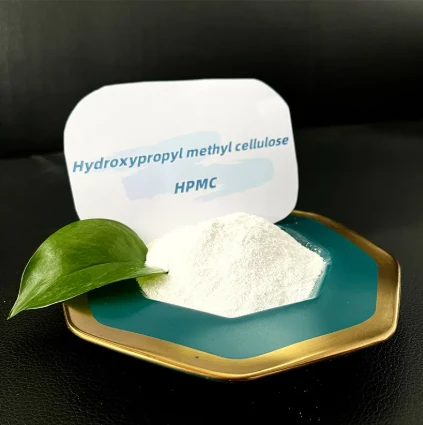
Die Verwendung von HPMC CMC in der modernen Industrie hat sich als bahnbrechend erwiesen. HPMC (Hydroxypropylmethylcellulose) und CMC (Carboxymethylcellulose) gelten in vielen Herstellungsprozessen als essenzielle Bestandteile. Diese Polymeren werden häufig in der Pharma-, Lebensmittel- und Bauindustrie eingesetzt. Einer der Hauptvorteile von HPMC ist seine Vielseitigkeit . In der pharmazeutischen Industrie verbessert es die Bioverfügbarkeit von Medikamenten und gewährleistet eine kontrollierte Freisetzung von Wirkstoffen. Dies wird durch die Film-bildenden Eigenschaften von HPMC ermöglicht, die es zu einer bevorzugten Wahl für die Herstellung von Medikamentenkapseln und Tabletten machen. Ärzte und Apotheker weltweit vertrauen auf den stabilen und zuverlässigen Einsatz dieser Substanz. Die Wirksamkeit von CMC zeigt sich hingegen besonders im Lebensmittelbereich. Als Verdickungsmittel in Saucen und Getränken gewährleistet CMC eine gleichmäßige Konsistenz und verbessert die Mundgefühl des Produkts. Seine Verwendung in glutenfreien Brotprodukten bietet zudem eine ideale Lösung für Konsumenten mit speziellen Ernährungsbedürfnissen. Zudem ist CMC dafür bekannt, die Haltbarkeit von Lebensmitteln zu verlängern, was zu einer Reduzierung von Lebensmittelabfällen führt. Die enge Zusammenarbeit mit Ernährungswissenschaftlern und Lebensmitteltechnikern unterstreicht die Bedeutung und das Vertrauen in die Anwendbarkeit von CMC. Im Bauwesen steigert HPMC die Klebekraft von Mörtel und verbessert die Beständigkeit von Fassaden und anderen Baumaterialien. Dies trägt nicht nur zur Langlebigkeit von Bauwerken bei, sondern ermöglicht auch innovatives Design unter heutigen klimatischen Herausforderungen. Internationale Bauunternehmen schätzen HPMC für seine Stabilität und Anpassungsfähigkeit unter verschiedenen Wetterbedingungen. HPMC ist CMC Gerade in einem globalen Markt ist die Glaubwürdigkeit eines Produkts entscheident. Daher achten Hersteller von HPMC und CMC strikt auf Qualitätskontrollen. ISO-Zertifizierungen und regelmäßige Inspektionen durch unabhängige Labore dienen der Sicherstellung höchster Standards. Dies schafft Vertrauen bei Investoren, Anwendern und Endkonsumenten gleichermaßen. Die enge Zusammenarbeit mit renommierten Forschungseinrichtungen weltweit fördert zudem die kontinuierliche Weiterentwicklung dieser Polymerstoffe. Experten sind ständig bemüht, die Effizienz und Qualität der Materialien zu verbessern, um neue Anwendungsgebiete zu erschließen. Diese Partnerschaften tragen dazu bei, den technologischen Fortschritt und die wirtschaftliche Wettbewerbsfähigkeit zu sichern. In einer sich ständig verändernden Welt zeigt der Einsatz von HPMC und CMC, wie chemische Innovationen grundlegende Herausforderungen bewältigen können. Um mit der rasanten Technologieentwicklung Schritt zu halten, ist es entscheidend, die neuesten Forschungsergebnisse zu nutzen und gleichzeitig auf ethisch vertretbare und nachhaltige Herstellungsverfahren zu setzen. Die Zukunft sieht große Potenziale für eine noch breitere Anwendung dieser wichtigen Stoffe, die über rein funktionale Aspekte hinaus auch eine ökologische Verantwortung tragen. Zusammenfassend lässt sich sagen, dass HPMC und CMC nicht nur wegen ihrer funktionellen Eigenschaften unentbehrlich sind, sondern auch wegen ihrer weitreichenden Auswirkungen auf verschiedene Branchen. Durch die Kombination von praktischer Anwendbarkeit und wissenschaftlicher Exzellenz werden sie unverzichtbare Elemente einer modernen, nachhaltigen Produktion weltweit.
-
Starch ether is an essential additive in many modern construction materials, offering superior performance and a range of benefits that enhance the properties of cement, mortar, and other construction mixtures. As a versatile and eco-friendly component, starch ether helps improve workability, water retention, and adhesion, making it the perfect choice for enhancing construction materials. Whether you're working with concrete, plaster, or adhesive formulations, starch ether is the reliable solution to ensure the quality and durability of your projects. Its wide applications in construction make it a must-have ingredient for achieving better results. Starch Ether for Construction: Improving Performance and Efficiency In the construction industry, starch ether for construction has become increasingly popular due to its numerous benefits. It serves as a highly effective thickening agent, enhancing the consistency and flow of materials, which helps in achieving optimal workability. Starch ether for construction also improves water retention, ensuring that your mixtures stay moist longer and work smoothly, even in challenging conditions. This makes it an excellent choice for a variety of construction applications, from plasters and adhesives to grouts and mortars. Using starch ether for construction ensures that your materials perform at their best, delivering lasting results and cost-effective solutions. The Role of Starch Ether in Tile Adhesive Starch ether in tile adhesive plays a crucial role in improving the bonding strength and overall performance of the adhesive. When added to tile adhesives, starch ether enhances their water retention, allowing the adhesive to stay workable for a longer period. This ensures a stronger bond between the tile and substrate, reducing the chances of tile slipping or detaching. Starch ether in tile adhesive also improves the adhesive’s flexibility, making it more resistant to cracking under stress. Whether you're laying tiles in a bathroom, kitchen, or flooring, starch ether is the secret ingredient for achieving a more reliable, durable, and efficient adhesive solution. Understanding Starch Ether Price: Cost-Effective Solutions for Your Projects When considering starch ether price , it's important to focus not only on the cost per unit but also on the long-term value it brings to your construction projects. The starch ether price can vary depending on the quality, quantity, and supplier, but it is generally an affordable ingredient when compared to other additives. Despite its competitive price, starch ether provides significant performance benefits, such as improved workability, water retention, and adhesion. By incorporating starch ether into your construction materials, you’ll benefit from high-quality results at an affordable price, making it a smart investment for any project. Why Choose Our Starch Ether for Your Construction Applications? Our starch ether products are designed to meet the highest industry standards, ensuring superior performance for all your construction needs. Whether you need starch ether for construction or starch ether in tile adhesive , we offer a wide range of high-quality, eco-friendly solutions tailored to meet the specific demands of your projects. With our competitive starch ether price s, we provide affordable, effective, and reliable additives that enhance the quality of your materials. Trust us to supply you with the best starch ether to improve the strength, durability, and workability of your construction products. Starch Ether FAQs What is starch ether used for in construction? Starch ether is widely used in construction for its ability to improve the workability, water retention, and adhesion of various materials. It is commonly added to cement-based products like plaster, mortar, and tile adhesives. Starch ether helps make these materials more stable and easier to apply, ensuring better performance and longer-lasting results. How does starch ether improve tile adhesive? Starch ether in tile adhesive enhances its performance by improving water retention and extending its workability time. This ensures a stronger bond between tiles and surfaces, reducing the risk of tiles slipping or detaching. Additionally, starch ether improves the flexibility of the adhesive, making it more resistant to cracking, especially in areas subjected to movement or stress. Is starch ether eco-friendly? Yes, starch ether is considered eco-friendly because it is derived from natural starch sources, such as corn or tapioca. It is biodegradable, non-toxic, and safe for use in a wide range of applications, making it an environmentally responsible choice for the construction industry. As demand for sustainable materials increases, starch ether is becoming a popular alternative to synthetic additives. What factors affect the starch ether price? The starch ether price can vary depending on factors like the quality of the product, the source of the starch, and the quantity purchased. Generally, bulk purchases can help lower the cost per unit. Additionally, the complexity of the manufacturing process and any additional features or specifications required for your project can influence the starch ether price . Why should I choose your starch ether for my construction projects? Our starch ether products are manufactured to the highest standards, offering excellent performance in improving the workability, adhesion, and durability of construction materials. We offer a range of starch ether for construction applications, including starch ether in tile adhesive , all at competitive starch ether price s. With our products, you can ensure superior quality, cost-effective solutions, and lasting results for your construction projects.
advantages
-

200000 Viscosities
Excellent product
We can produce pure products up to 200,000 viscosities
-

40000 tons
High yield
We don’t stop production all year round, and the annual output can reach 40,000 tons
-

24 hours
Quality service
We provide 24-hours online reception service, welcome to consult at any time
———— Inquiry Form
Schedule A services


-
 presyo_ng_pp_fiber
Oct . 25, 2025
Rubber Powder Production Line Revolutionizing Material Recycling In an era where sustainability and -
 use_of_hpmc_in_pharmaceuticals
Oct . 25, 2025
Hypromellose, auch bekannt als HPMC, ist ein vielseitiger Zusatzstoff, der häufig in der Pharma-, Le -
 hpmc_2
Oct . 25, 2025
In today’s industrial and personal care sectors, raw materials must deliver more than just functiona


